Reduce image file size online without losing quality.
or drop, paste, or choose from cloud





Pick the mode that fits your needs. Each preset adjusts quality and file size for different use cases.
Balanced compression. Reduces file size while keeping visual quality high. The default setting for most images.
Maximum file size reduction. Best for web thumbnails and email attachments where small size matters most.
Zero quality loss for PNG files. Reduces file size by optimizing data without removing any image information.
The image compressor offers 7 compression modes for full control over file size. Use "Target file size" to compress an image to 100 KB, 200 KB, 1 MB, or any size you need. The tool automatically adjusts the quality to hit your exact target. Use "Percentage of original" to reduce by a set amount, such as shrinking a file to 50% of its current size.
For advanced users, the "Custom quality" slider lets you set the exact compression level from 0 to 100. Higher values keep more detail. Lower values produce smaller files. The "Strip metadata" option removes EXIF data, GPS coordinates, and camera information from your images to reduce file size further and protect privacy.
The image compressor uses smart algorithms to reduce file size while keeping visual quality high. Move the slider to compare the original (828 KB) with the compressed version (44 KB). JPG compression removes data the human eye cannot detect. PNG lossless compression reduces file size without removing any image data at all.
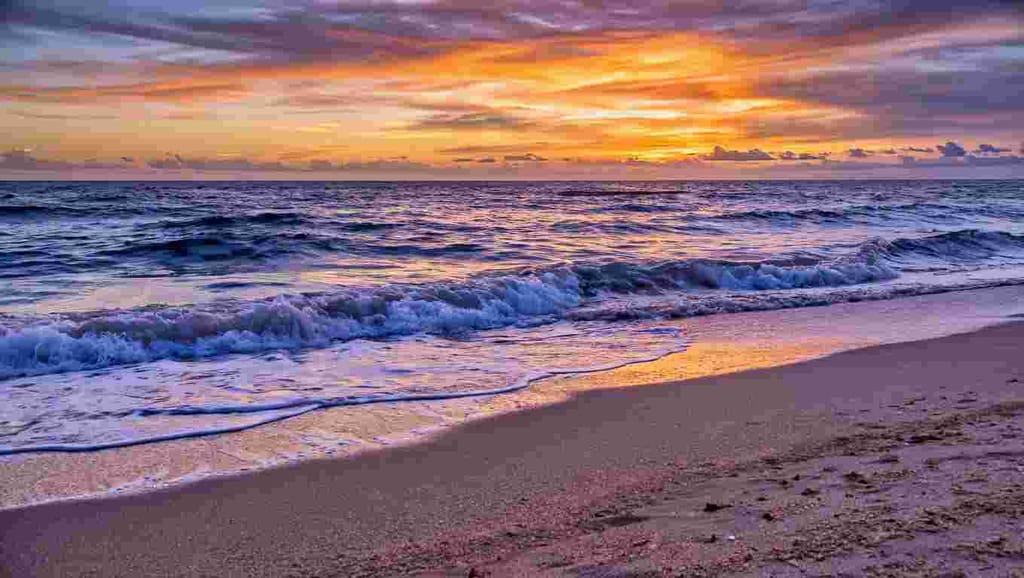
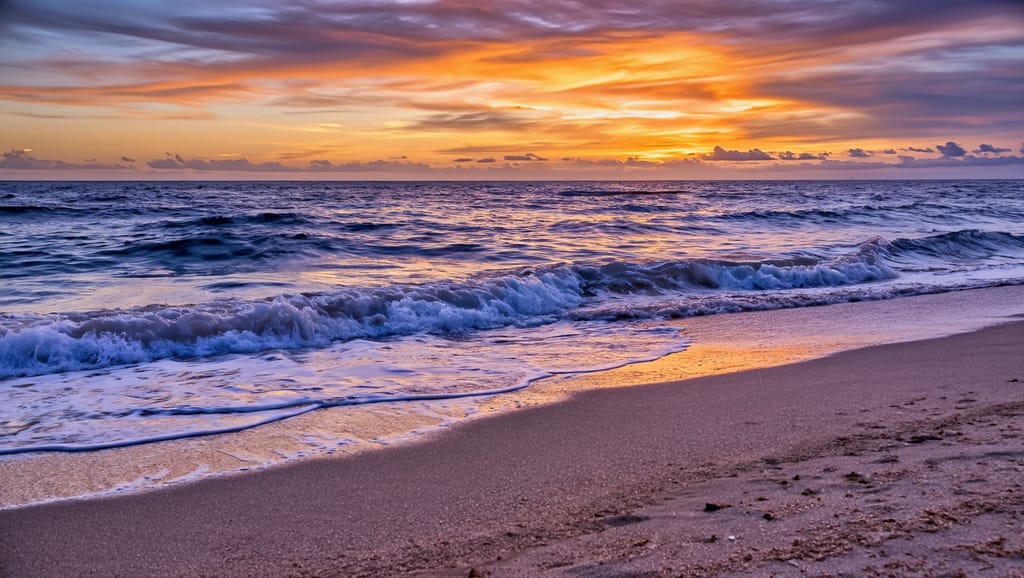
This landscape photo was compressed from 828 KB to 44 KB, a 95% reduction in file size. The compressed version looks nearly identical to the original at normal viewing distance. Only extreme zoom reveals subtle differences in color gradient areas.
Upload any of these formats. The tool detects the type and picks the best compression method automatically. Save in the original format or convert to a different one.
| Feature | JPG | PNG | WebP | GIF | BMP | TIFF |
|---|---|---|---|---|---|---|
| Lossy compression | ✓ | - | ✓ | ✓ | - | ✓ |
| Lossless compression | - | ✓ | ✓ | - | - | ✓ |
| Transparency | - | ✓ | ✓ | ✓ | - | - |
| Animation | - | - | ✓ | ✓ | - | - |
| Best for | Photos | Graphics | Web | Animation | Raw | Click Print |
All formats support input and output. JPG and WebP produce the smallest files for photos.
Common scenarios where reducing image file size makes a measurable difference.
Uncompressed photos above 1 MB add 1 to 3 seconds to page load time. Compressing images for web reduces file size by 60% to 80% with no visible difference. Faster pages rank higher on Google.
Gmail limits attachments to 25 MB. A single DSLR photo can be 10 to 30 MB. The image compressor shrinks it to under 1 MB in seconds so it fits any email provider.
Social platforms compress uploads automatically. Pre-compressing gives you control over the final quality instead of leaving it to the platform algorithm. Discord limits uploads to 8 MB for free users.
Reduce the space photos take in Google Drive, Dropbox, or iCloud. Compressing a folder of vacation photos can free up gigabytes without any visible quality loss.
Mobile users on slower connections need small images to avoid long load times. Compressing product photos or blog images under 200 KB keeps mobile pages fast.
Optimize an entire folder of images at once. Upload multiple files, apply the same compression settings, and download them individually. Saves time for large photo sets.
All uploads are encrypted during transfer. You can delete files instantly from the server after downloading.
The tool never adds watermarks or shares files with third parties. Your files are not used for AI training. You keep full copyright and ownership of every image you compress.

Drag and drop your file or click to browse. The tool accepts JPG, PNG, GIF, BMP, WebP, and TIFF.
Pick a compression mode: preset levels, target file size, percentage, or custom quality. Optionally strip metadata and select an output format.
Click "Compress" to start. Download the smaller file when processing finishes. Your original image stays unchanged.
Upload your image to the compressor, choose a compression mode, and click Compress. The tool reduces the file size automatically. Download the compressed image when processing is done. No signup or software installation is required.
Yes, the image compressor is free to use. You can compress images without creating an account. Free users can process a limited number of files per day. Premium plans offer higher daily limits and batch processing for larger workloads.
It depends on the compression mode you choose. The Recommended preset balances quality and file size. Extreme compression creates the smallest file but may show slight quality loss. Lossless compression reduces PNG file size with zero quality loss. For most uses, the difference is invisible at normal viewing distance.
The image compressor accepts JPG, PNG, GIF, BMP, TIFF, and WebP files. You can save the compressed output as JPG, PNG, GIF, BMP, TIFF, or WebP. JPG produces the smallest files for photos. PNG keeps transparency and supports lossless compression for graphics.
Select the Target file size mode. Enter your desired size in KB or MB, such as 100 KB or 200 KB. The image compressor automatically adjusts the quality to match your exact target. You can also set a percentage of the original size or use the custom quality slider for manual control.
Yes, the image compressor supports batch compression. Upload multiple files, pick your compression settings, and compress them all in one click. Each image is processed with the same settings and available for individual download.
Lossless compression reduces the file size of PNG images without removing any visual data. The compressed image is identical to the original, pixel for pixel. Select Lossless compression mode in the compressor to use this method. It works best for graphics, logos, and screenshots with flat colors.
Yes, all uploads use encrypted connections. You can delete files instantly after downloading. The processing is fully automated. Your files are not used for AI training.
Learn how to reduce image file sizes with JPG compression while keeping visual quality.
Read article
A step-by-step guide to resizing images online without losing quality.
Read article
Optimize your images for faster page load times and better web performance.
Read article
Learn how JPEG compression reduces image sizes while preserving quality, from color conversion to encoding.
Read article
A guide to selecting the right image file format for web, print, and digital media.
Read article